
How to Get Insurance to Pay for Roof Replacement
To get insurance to pay for a roof replacement, document the damage, get a professional inspection, and file the claim promptly. Coverage usually depends on the damage being caused by a sudden event rather than normal wear and tear, and it often helps to have your roofer meet with the adjuster.
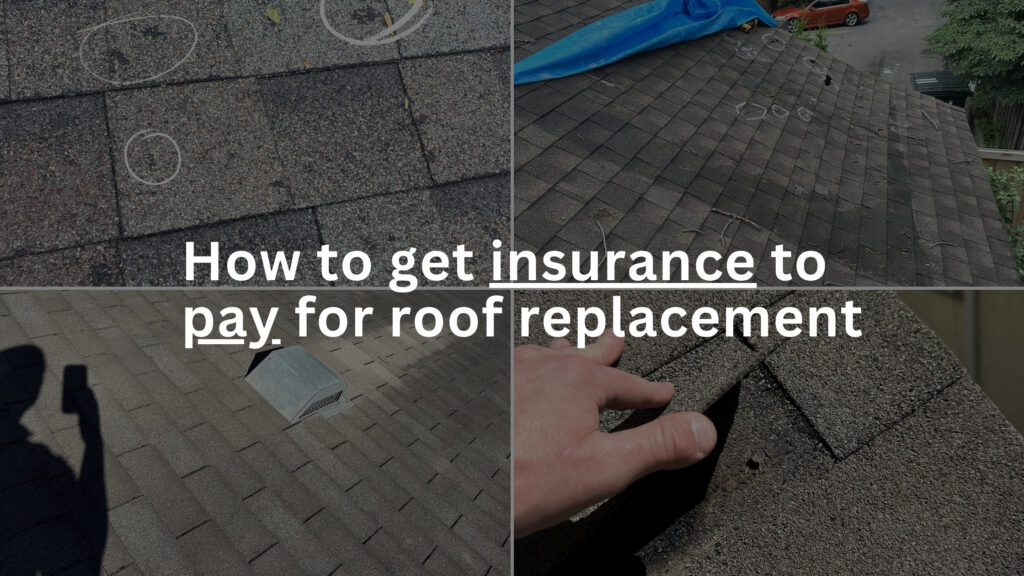
How to get insurance to pay for roof replacement (step by step)
Most roof replacements paid by insurance start the same way: a covered storm event causes damage, and repairs aren’t enough to restore the roof to a watertight condition. Here’s the cleanest way to approach it.
1) Confirm the damage is likely covered
Homeowners insurance usually helps with sudden, accidental damage, not normal wear and tear.
Covered damage often includes:
- Hail damage (bruising, granule loss, cracked shingles)
- Wind damage (missing shingles, lifted edges, exposed underlayment)
- Storm-related impacts (tree limbs, debris)
Not typically covered:
- Old age / worn-out shingles
- Poor installation or maintenance issues
- Leaks that happened slowly over time
If you suspect storm damage, start with a professional inspection before you guess.
If you’re in Minnesota, eRoof offers free roof inspections
2) Document everything before anything changes
Before cleaning up or making temporary fixes, take photos.
Get:
- Wide shots of each roof slope (ground photos are fine)
- Close-ups of visible damage (missing shingles, lifted edges, dents on soft metals)
- Photos of exterior collateral damage (gutters, downspouts, window screens, siding dents)
- Any interior signs (ceiling stains, attic moisture)
If there was a recent storm, write down:
- Approximate date
- What happened (hail size, wind, fallen branches)
- Any immediate issues you noticed
3) Get a contractor inspection report (this matters)
A roof claim goes smoother when the adjuster receives:
- A clear summary of findings
- Photos of damage
- Notes on what needs to be replaced vs repaired
- A scope that matches real-world installation requirements
A contractor report doesn’t “force” approval — but it helps the adjuster evaluate the claim quickly and reduces back-and-forth.
If you want this handled start-to-finish, eRoof can inspect and guide you through the storm damage process
4) File the claim and schedule the adjuster visit
When you file, keep it simple and factual:
- “I believe my roof was damaged by hail/wind on or around [date].”
- “I’d like to open a claim and schedule an inspection.”
Avoid over-explaining or guessing the outcome. Just report what happened.
5) Be present (or have your roofer present) for the adjuster inspection
This is one of the biggest differences between a smooth claim and a messy one.
Your roofer can help:
- Point out damage you can’t see from the ground
- Clarify repair limitations (why a patch isn’t enough)
- Ensure the adjuster sees all slopes and collateral items
- Confirm the scope matches what’s actually required
6) Understand ACV vs RCV (this changes your payout)
A lot of homeowners get confused here:
- RCV (Replacement Cost Value): insurance covers the full replacement cost (minus deductible), often paying part now and part after work is completed.
- ACV (Actual Cash Value): insurance pays depreciated value based on roof age/condition.
If your roof is older, depreciation can be significant. The good news is: even with depreciation, a claim can still make sense if damage is clearly covered.
7) Review the scope — not just the total
Approval isn’t the finish line. The scope determines whether the roof can actually be replaced correctly.
Common items that get missed on initial scopes:
- Ice & water shield requirements
- Starter, ridge cap, ventilation adjustments
- Flashing (step flashing, pipe boots, chimney areas)
- Tear-off, disposal, decking repairs
- Drip edge / gutter apron details
- Valley metal where required
If something is missing, your contractor can submit a supplement with documentation.
8) Avoid the biggest claim-killers
These are the mistakes that most often lead to delays or denials:
- Waiting too long to file (damage becomes “old” or harder to prove)
- Making repairs before documenting the damage
- Assuming a leak automatically means it’s covered
- Choosing a contractor who won’t work with the claim process
- Signing anything you don’t understand (especially aggressive “free roof” sales tactics)
What if insurance won’t pay for a roof replacement?
It happens — and it doesn’t always mean you’re out of options.
Here are the most common reasons claims get denied:
- Adjuster determines damage is wear/tear (not storm-related)
- Damage is too minor to warrant replacement
- The claim is filed long after the storm date
- Policy exclusions (older roofs, cosmetic exclusions, etc.)
If you disagree with the decision:
- Ask for the claim notes / explanation in writing
- Request a re-inspection if new info is available
- Have your roofer provide additional photos and documentation
Even when insurance won’t cover a full replacement, you may still have repair options. If you need help understanding what’s realistic, you can contact eRoof here:
https://www.eroofquote.com/contact/
Minnesota storm damage tip (why timing matters)
In the Midwest, hail and wind claims often come in waves after big storms. Adjusters get booked fast and timelines move quickly.
If you suspect storm damage:
- Get an inspection soon
- Document now (before weather changes the evidence)
- Don’t wait until you have an active leak